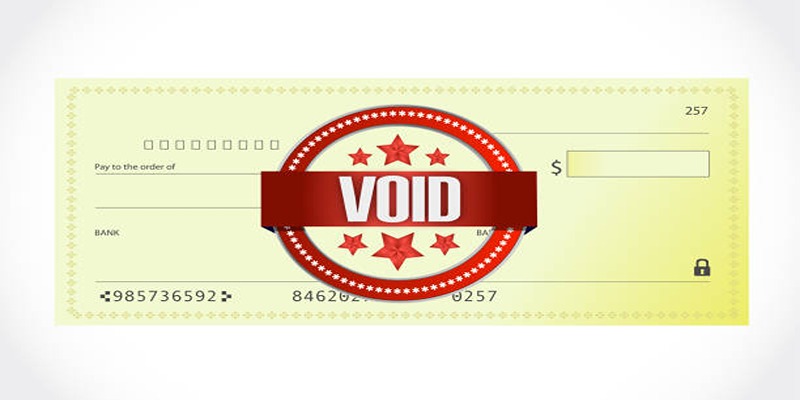
Setting up direct deposit often requires a voided check, but what is it exactly? A voided check is a regular check with "VOID" written across it, making it unusable for payments while showing your banking details. It's commonly used by employers or organizations to set up automatic deposits or withdrawals. This guide explains how to safely void a check and explores alternatives if you don’t have checks.
What Is a Voided Check?
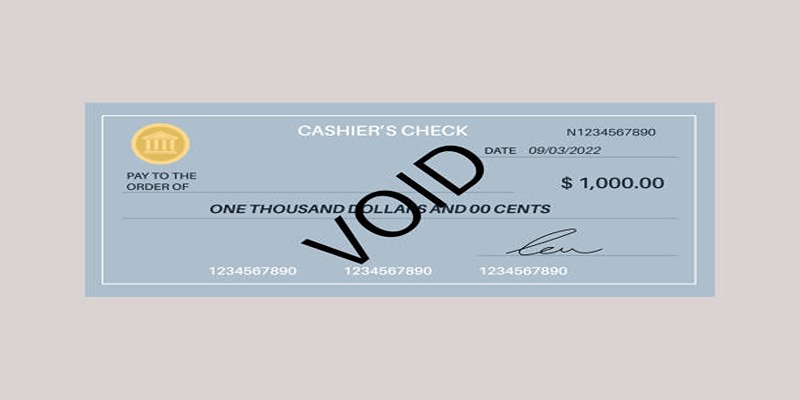
A voided check serves as proof of your banking information without creating a usable payment instrument. When you write "VOID" across a blank check, you're essentially creating a secure way to share your account details.
The check contains three critical pieces of information:
- Your bank's routing number (usually nine digits)
- Your account number
- Your name and address as they appear on the account
Organizations prefer voided checks over handwritten banking information because they eliminate transcription errors. The pre-printed numbers on checks use special magnetic ink that can be scanned electronically, reducing mistakes during data entry.
Why Do Employers Request Voided Checks?
Direct deposit requires precise banking information to function correctly. A single wrong digit in your routing or account number could send your paycheck to someone else's account or cause it to bounce back entirely.
Voided checks provide several advantages for employers:
- Accuracy verification: The pre-printed numbers eliminate guesswork and reduce human error during setup.
- Fraud prevention: Voided checks help confirm that you actually own the account where deposits will be sent.
- Standardized process: Using the same verification method for all employees streamlines payroll administration.
- Electronic processing: The magnetic ink character recognition (MICR) numbers on checks can be scanned directly into payroll systems.
How to Void a Check Properly
Creating a voided check requires attention to detail to ensure it remains secure while providing the necessary information.
Step-by-Step Process
Start with a blank check from your checkbook. Never use a check that already has information written on it, as this could create confusion or security risks.
Using a pen with dark ink (preferably black or blue), write "VOID" in large, clear letters across the front of the check. Make sure the word covers the signature line and payment amount areas while leaving the routing and account numbers visible.
Some people prefer to write "VOID" multiple times across different areas of the check for extra security. This approach ensures the check cannot be altered or misused in any way.
What Not to Fill Out
Leave all fields blank when creating a voided check. This includes:
- Date line
- Pay to the order of line
- Amount boxes (both numerical and written)
- Memo line
- Signature line
The only thing that should appear on your voided check is the word "VOID" and the pre-printed banking information.
Security Best Practices
Protecting your banking information requires careful handling of voided checks throughout the process.
Safe Transmission Methods
Hand delivery remains the most secure option when possible. If you must mail a voided check, use certified mail or another trackable service to ensure it reaches the intended recipient.
For electronic submission, scan or photograph the voided check using high resolution to ensure all numbers remain clearly visible. Send the image through secure, encrypted channels rather than regular email when possible.
Record Keeping
Make a copy of your voided check before submitting it. Note the date, recipient, and purpose in your records. This information proves helpful if questions arise later about your direct deposit setup.
Store copies in a secure location, such as a locked filing cabinet or encrypted digital folder. Treat these copies with the same care you would give to actual checks or bank statements.
Disposal Considerations
Never throw voided checks in regular trash. Shred them thoroughly or use a secure document destruction service to prevent identity thieves from accessing your banking information.
Alternatives When You Don't Have Checks
Not everyone maintains a traditional checkbook, especially as digital banking becomes more common. Fortunately, several alternatives can provide the same banking verification.
Bank Letter or Form
Most banks can provide an official letter or form containing your routing and account numbers. Contact your bank's customer service department to request this document. Some banks charge a small fee for this service, while others provide it free to account holders.
Online Banking Screenshots
Some employers accept screenshots from your online banking portal showing your account information. Ensure the image clearly displays your name, account number, and routing number. Black out any sensitive information like account balances before submitting.
Mobile Deposit Slips
Pre-printed deposit slips contain the same routing and account information as checks. If you have deposit slips, you can void one using the same process described for checks.
Starter Checks
When you open a new account, banks often provide temporary or starter checks. These work perfectly for voiding purposes and cost less than ordering a full checkbook.
Common Mistakes to Avoid
Several errors can complicate your direct deposit setup or create security vulnerabilities.
- Writing on the wrong check: Always use a blank check. Writing "VOID" on a check that already contains information can cause confusion and processing delays.
- Insufficient voiding: Writing "VOID" too small or in light ink might not prevent someone from attempting to alter the check. Make your voiding clear and prominent.
- Sharing unnecessary information: Only provide voided checks to legitimate organizations that require them for direct deposit or automatic payments. Never give voided checks to individuals or unverified businesses.
- Poor image quality: If submitting electronically, ensure your scan or photo shows all numbers clearly. Blurry images can delay your direct deposit setup.
What Happens After Submission
Once you submit your voided check, the organization will use it to set up your direct deposit within their payroll or payment system. This process typically takes one to two pay periods to complete.
Most employers will notify you when direct deposit becomes active. Continue monitoring your bank account and regular pay delivery method until you confirm the electronic deposits are working correctly. Keep your voided check copy until you receive at least two successful direct deposits. This ensures you have the information available if any issues arise during the transition period.
Conclusion
Setting up direct deposit with a voided check simplifies your finances and ensures faster access to your earnings. It’s secure, convenient, and worth considering. Don’t have checks? Contact your bank for alternatives or order a small batch for setup. Once ready, provide a voided check or documentation to your employer’s payroll team. Most setups take under two weeks, giving you secure, hassle-free pay delivery.