The stock market has been rising for years, sparking confidence among investors. Many have grown used to steady gains and forget that downturns are part of the cycle. Strong earnings, innovation, and economic momentum have kept optimism alive, but cracks may be forming beneath the surface.
The question now isn’t whether we’re in a bull market—it’s whether this bull has more room to run, or if it’s coasting on borrowed time. As uncertainty builds, it's worth taking a closer look at what's driving the market and where things might go.
What Fuels a Bull Market?
A bull market often begins quietly—maybe after a recession, maybe after a policy shift—but it grows on confidence. When people believe business conditions will improve, they buy stocks. That buying pushes prices up, which brings in more buyers, reinforcing the cycle.
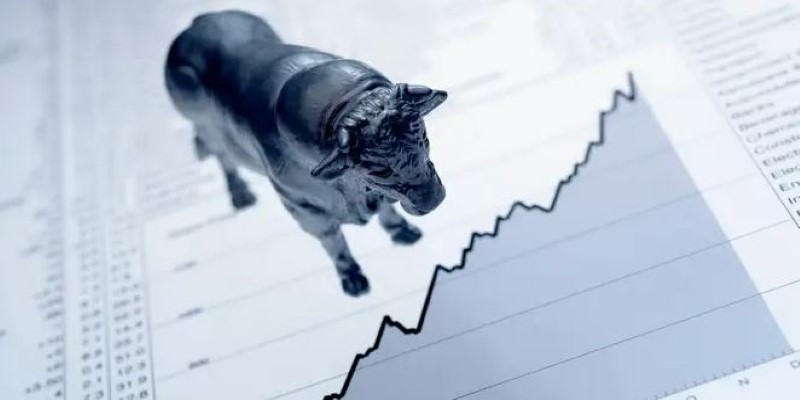
Low interest rates and easy credit help. Investors take on more risk when borrowing is cheap. Central banks, by keeping monetary policy loose, have added fuel to the rally over the last decade. Fiscal stimulus and technology advances also played major roles, especially during the recovery following the pandemic.
Yet it's not just about the numbers. Bull markets are emotional. People buy not only because of data, but because they feel like they should. Friends are making money. News stories highlight success. The fear of missing out drives decisions just as much as financial analysis. That emotional aspect can cause prices to drift far from actual earnings or company value.
In some ways, this market resembles earlier cycles. But the scale of recent growth, particularly in tech and AI-related stocks, feels faster and more concentrated. When sentiment becomes the engine, any bump in the road can throw the whole machine off balance.
Warning Signs Beneath the Optimism
While markets rise, not everything underneath is strong. Some stocks are priced well above their historical averages. Valuations in certain sectors suggest that people expect extremely high future profits—profits that may not materialize. If those expectations don’t pan out, price corrections can be sharp.
Interest rates have been climbing to control inflation. This makes loans more expensive and reduces consumer and business spending. As companies face higher costs and tighter conditions, earnings growth may slow. That makes today’s stock prices look even more stretched.
There’s also the matter of global risk. Conflicts, trade disruptions, or political instability can quickly affect investor confidence. These risks often go under the radar until they suddenly matter.
Some areas of the economy remain fragile. Household debt is high, savings rates are lower than before, and housing prices in some regions are out of reach for many buyers. These aren’t immediate threats to the market, but they can become pressure points if conditions worsen.
What’s changed recently is that bad news isn’t dragging markets down the way it used to. That kind of resilience often signals either deep strength—or growing denial.
Could Sentiment Turn?
The biggest shift in any bull market often comes from how people feel, not from earnings or policy. Sentiment is quick to change. One poor earnings season, an unexpected rate hike, or a slowdown in hiring could spook investors.
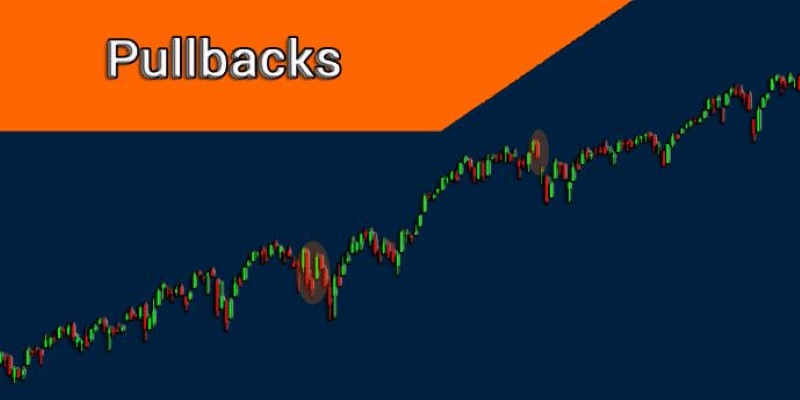
Once fear creeps in, selling can accelerate. Algorithms and institutional trades can move huge amounts of money in seconds. That kind of volume can turn a minor dip into a full correction.
There’s also the issue of fatigue. Some investors may begin to question whether now is a good time to take profits and wait. If enough people start thinking that way, momentum fades.
Pullbacks are part of the cycle. They don’t always signal something broken—sometimes they’re just the market catching its breath. But if too much optimism is built into prices, even a modest drop can lead to bigger declines as confidence unravels.
Investors often say they’re ready for a dip—until it happens. When markets fall, even temporarily, many overcorrect emotionally. That behavior tends to make downturns worse than the data justifies.
Preparing for the Next Phase
Whether the market keeps rising or starts cooling, preparation matters; blind optimism has its risks, especially when prices are high and expectations are even higher. A good first step is reviewing what you're invested in and why.
Diversification remains a strong defense. Holding different types of assets can limit losses if one area stumbles. Not all sectors perform the same during economic shifts. Some companies thrive when interest rates rise; others struggle. A mix helps even out the bumps.
It’s also smart to think in terms of time. Are you investing for the next six months or the next six years? People with longer horizons can afford to wait out volatility. But those closer to retirement may need to be more cautious, even if the market still looks strong.
Following market trends without asking questions can lead to trouble. Being informed—looking at balance sheets, debt levels, and cash flow—is more useful than chasing stories. A disciplined strategy beats emotional reactions almost every time.
Corrections aren't the end of growth. They are moments to pause, reevaluate, and sometimes rebalance. Those who stay thoughtful tend to recover better than those who panic.
Conclusion
Bull markets often feel endless—until they aren’t. While many signs still point to strength, there are enough red flags to justify caution. Rising valuations, tighter money, and shifting global dynamics suggest the road ahead may not be as smooth as the past few years. The point isn’t to predict disaster but to stay realistic and measured. Markets move in cycles, and no run lasts forever. For investors, the goal is to stay grounded—not swept up in hype or fear. Whether this bull continues or takes a breather, staying prepared and informed is what makes the real difference.