Credit cards can be useful tools when managed wisely, but they come with a cost—interest. This cost is expressed through the annual percentage rate, or APR. Many people swipe their cards without giving much thought to this number, but the APR often decides how expensive carrying a balance becomes.
With so many offers out there, it can feel unclear what makes one card's APR better than another. Understanding what qualifies as a good APR helps you make informed choices and avoid paying more than necessary.
How Credit Card APR Works?
APR represents the yearly cost of borrowing money on a credit card. Instead of showing interest in monthly terms, lenders display it annually, allowing you to compare across products more easily. For instance, a card with a 20% APR means that if you carried a balance of $1,000 for an entire year, you would owe roughly $200 in interest, not counting compounding or fees. In practice, the card company applies interest daily, which means costs can build up faster than people expect.
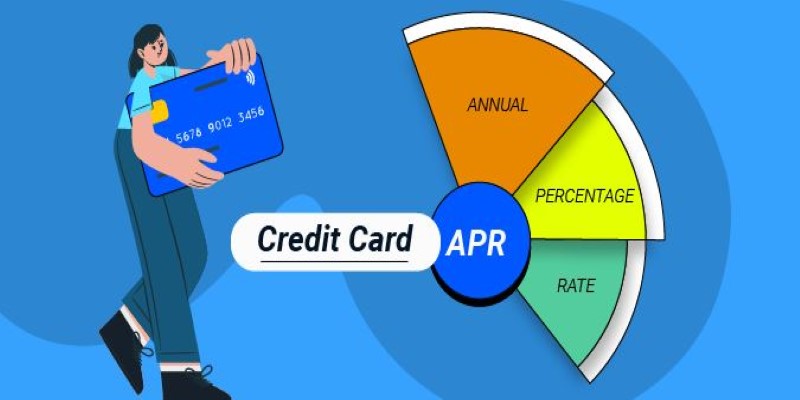
APR can vary widely depending on the type of card and your credit profile. Credit cards usually come with a range rather than one fixed rate, such as 18% to 27%. The exact rate you get depends on your credit history, income, and sometimes how much debt you already have. People with strong credit scores often secure APRs at the lower end of the range, while those with weaker credit usually face higher rates.
What Counts as a Good APR?
There isn’t a single number that works for everyone, but looking at averages gives some guidance. According to Federal Reserve data, the average APR for credit cards in the U.S. often lands between 20% and 24%. With this in mind, anything below the national average can be considered favorable. For example, an APR around 15% is generally seen as a good deal if you expect to occasionally carry a balance.
However, context matters. If you have excellent credit, you may find offers closer to 12% or lower, which stands out as very competitive. Some cards designed for people with weaker credit might charge 25% or higher, which is costly but may be the only option for rebuilding credit. Promotional APRs complicate the picture, too. Many cards offer a 0% introductory APR for a period ranging from six to 21 months. This temporary break from interest charges can be extremely helpful for large purchases or paying down debt, but it’s important to know the standard APR that applies after the intro period ends.
Factors That Influence the APR You Get
Your APR isn’t chosen at random—it reflects how risky lenders view lending to you. The most influential factor is your credit score. A higher score signals responsible borrowing and repayment habits, which gives lenders confidence and allows them to offer lower rates. Missed payments, heavy use of available credit, or a limited credit history push rates higher.
Income also matters. Lenders want assurance that you can handle repayment, so stable employment and sufficient income relative to debts can work in your favor. The type of card you apply for plays a role, too. Rewards cards, which offer points, cash back, or travel perks, often charge higher APRs to offset the cost of those benefits. Secured cards, aimed at people rebuilding credit, sometimes feature lower APRs but require a security deposit upfront. Credit union cards often provide more favorable rates than those of large banks, reflecting their nonprofit structure.
Another subtle factor is the overall interest rate environment. When the Federal Reserve raises its rates, lenders adjust credit card APRs upward. Even if your credit score stays steady, your APR may rise because the baseline cost of borrowing has increased. This makes timing relevant—shopping for a card when rates are stable may help secure a lower APR than applying in a period of rapid hikes.
How to Decide What’s Right for You?
The "goodness" of an APR depends not just on averages, but on how you use your credit card. If you always pay off your balance in full each month, the APR doesn't matter much since you won't be charged interest. In that case, other features, such as rewards or annual fees, become more important. But if you think you may carry a balance, even occasionally, then the APR deserves your attention. Saving a few percentage points can mean hundreds of dollars less in interest over time.
When comparing cards, look at your credit score first. If your score is high, lenders are more likely to extend low rates to you. It’s also worth considering credit union cards, which often carry lower APRs than major banks. Another tip is to check if your card offers different APRs for purchases, cash advances, and balance transfers, since these can vary significantly. Cash advances, for example, usually have the steepest rates and no grace period.
A good APR for you is one that balances affordability with the other features you value. For someone focused on debt repayment, a card with a low fixed APR may be more useful than one that offers flashy rewards. For another person, a 0% intro APR might be the most practical choice if they have a plan to pay off their balance before regular rates kick in.
Conclusion
A good credit card APR isn’t defined by one magic number—it depends on averages, your personal credit standing, and how you plan to use your card. Generally, anything lower than the national average of around 20% is favorable, with rates near 15% or below considered especially good. For those who rarely carry a balance, APR is less of a concern, but for anyone who does, it can be the difference between manageable debt and a financial burden. Paying attention to APR, alongside your habits and needs, helps you choose the right card and keeps borrowing costs in check.