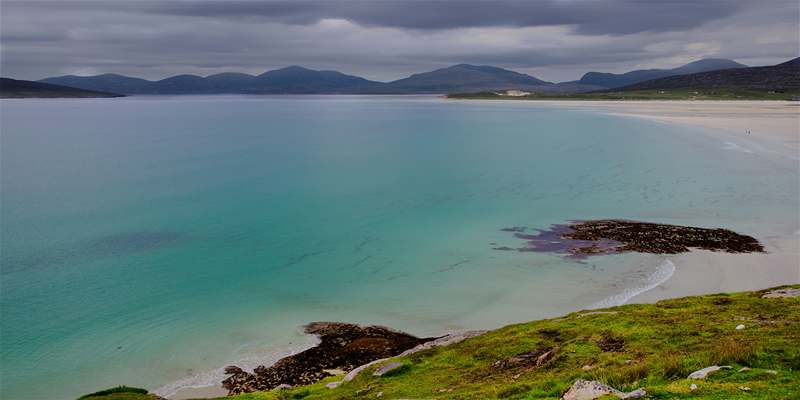
Rolling mountains, rugged coastlines, and free-flowing rivers make the northeastern United States a surprisingly varied playground for outdoor enthusiasts. While the region is often celebrated for its urban centers and colonial towns, it also protects some of the country’s most inviting landscapes under the National Park System. Travelers who carve out time for these parks find tranquil forests, sea-sprayed granite, and rivers that slice through sandstone gorges—all within a day’s drive of major cities.
Below is a first-timer-friendly guide to the 5 best national parks in the northeastern US. Each section explains why the park stands out, what seasonal conditions to expect, and which activities provide the biggest payoff without demanding expert skills.
Acadia National Park
Acadia National Park is located on Maine’s Mount Desert Island, where granite ridges meet the Atlantic Ocean. The park blends forested hills, freshwater lakes, rocky shores, and sweeping sea views. It offers a mix of gentle coastal trails and short summit hikes that are well-suited to first-time visitors.
The park features over 120 miles of hiking routes, including the Ocean Path, which runs parallel to the shore and offers dramatic views without steep elevation. Carriage roads built from crushed stone wind through forests and around lakes, providing traffic-free paths for biking and walking. Cadillac Mountain is the highest point in the park and offers panoramic views across the island and the ocean. Visitors can drive or hike to the summit, though reservations are required during peak seasons.
A free shuttle service connects many of the park’s most popular areas and trailheads. It helps reduce vehicle congestion, especially in summer, when parking becomes limited. Acadia is open year-round, though most services operate between late spring and mid-fall. Autumn is a particularly popular time due to the fall foliage along the park’s hillsides and coastlines.
Cuyahoga Valley National Park
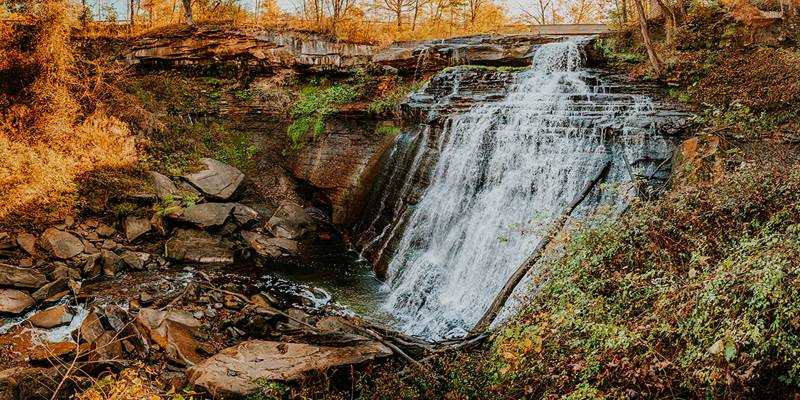
Cuyahoga Valley National Park is located between Cleveland and Akron in northeastern Ohio. The park protects a scenic stretch of the Cuyahoga River, surrounded by wooded hills, wetlands, and small waterfalls.
Unlike parks dominated by rugged peaks or vast wilderness, Cuyahoga Valley is known for accessibility and comfort. Its trails are generally flat or gently sloping, making them ideal for walkers, families, and cyclists.
The Ohio & Erie Canal Towpath Trail is one of the park’s most-used routes. It follows the old canal path and runs for miles through forest, marsh, and meadows. Boardwalks and bridges allow easy crossing of wet areas and creeks.
Brandywine Falls is a major attraction within the park. The 65-foot waterfall can be reached via a short loop trail with viewing platforms. Other waterfalls, such as Blue Hen and Buttermilk Falls, are located deeper in the park and offer more secluded stops.
Shenandoah National Park
Shenandoah National Park runs for over 100 miles along Virginia’s Blue Ridge Mountains. The park is best known for Skyline Drive, a scenic road that travels the park’s full length and offers frequent access to overlooks, trailheads, and picnic areas.
This park is suited for both casual visitors and active hikers. Many of its most rewarding trails begin near Skyline Drive and can be completed in half a day or less. Examples include the Limberlost Trail, which is accessible and level, and the Stony Man Trail, which offers big views for minimal effort. For visitors wanting more challenge, trails such as Old Rag and Hawksbill Summit offer elevation gain and wide-reaching views of the surrounding mountains and valleys.
Wildlife is commonly seen, including white-tailed deer, wild turkeys, and occasionally black bears. Quiet morning or evening walks increase the chance of sightings. The park is especially popular in mid to late October, when fall colors reach their peak.
New River Gorge National Park and Preserve
New River Gorge National Park and Preserve is located in southern West Virginia and protects over 70,000 acres of forest and river canyon. The New River, which carved the gorge, flows through the park and supports a range of activities.
Elevated cliffs line the gorge and offer long-distance views, especially from the Canyon Rim area. The New River Gorge Bridge, a central feature of the park, can be viewed from several platforms and short trails.
Trails such as the Endless Wall Trail and Long Point Trail provide access to ledges and rock outcroppings where visitors can pause to view the river far below. These routes are moderately challenging but well-marked and popular with photographers and hikers alike. The park also features picnic areas, level wooded trails, and quiet backroads.
In spring and early summer, wildflowers line many of the trails, and late summer evenings often bring cooler temperatures suitable for relaxed walks or camping. Gateway towns such as Fayetteville offer lodging, dining, and supplies close to park entrances, making day trips and short stays convenient.
Delaware Water Gap National Recreation Area
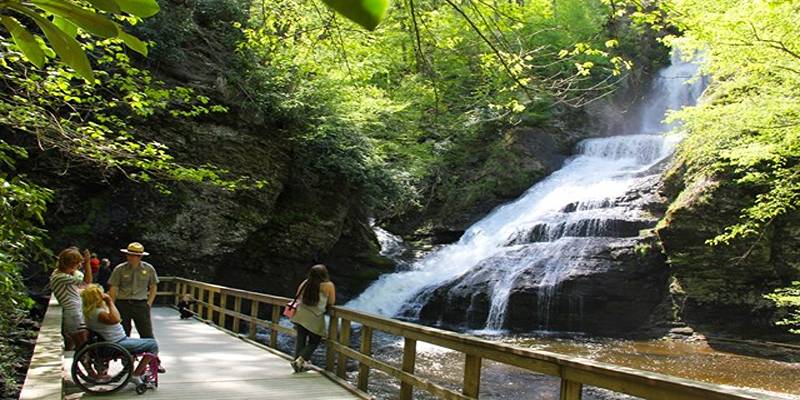
Delaware Water Gap National Recreation Area spans the border between Pennsylvania and New Jersey, following a long section of the Delaware River. It features wooded hills, riverbanks, waterfalls, and ridgelines that offer views over the surrounding landscape.
The park’s highlight is the Delaware Water Gap itself, where the river cuts through the Kittatinny Ridge. Trails lead to overlooks where travelers can view this natural pass and the river as it winds through the valley. Numerous short hikes begin from roadside pull-offs or parking areas. Notable trails include those to Dingmans Falls and Raymondskill Falls, which are among the tallest waterfalls in the state.
The Appalachian Trail passes through the park for over 25 miles and can be accessed from several points. Portions of this route can be completed as moderate day hikes, especially near Mount Minsi and Mount Tammany.
Canoeing and kayaking are also popular in this park, thanks to calm river sections with easy access. In summer, many travelers combine a morning on the water with an afternoon picnic or hike.
Conclusion
The best national parks in the northeastern US offer a blend of natural beauty and visitor accessibility. Each park listed here brings something different to the experience: Acadia’s ocean cliffs, Cuyahoga Valley’s quiet trails, Shenandoah’s mountain overlooks, New River Gorge’s canyon scenery, and the Delaware Water Gap’s riverside views.
With good planning and the right gear, a visit to any of these destinations can become the foundation for a longer journey into the outdoors.