Student loans often feel like a long shadow that lingers after graduation. Balances don’t shrink quickly, interest adds up, and monthly payments can weigh heavily on a young professional’s budget. It’s natural to look for alternatives, and one option that sometimes gets attention is using low-interest credit cards to manage or even accelerate repayment. This approach isn’t the first strategy most people consider, but for those who plan carefully, it can become a smart tool for reducing costs and gaining breathing room in their finances.
Why Credit Cards Enter the Picture?
Credit cards aren’t usually linked with good financial planning when it comes to long-term debt. Their reputation for high interest rates and compounding balances is well known. Yet not every card works the same way. Some credit cards are designed with introductory offers that feature very low or even zero interest rates for a set period, usually six to eighteen months. For borrowers burdened with federal or private student loan rates that can stretch into five or seven percent, moving part of that debt onto a card with no interest can sound like a welcome relief.
This works through what’s called a balance transfer. A balance transfer lets you shift existing debt from one lender to another, usually with a fee that hovers around three percent of the transferred amount. If the credit card offers a zero percent introductory period, the borrower has a window of time to pay down the principal without interest piling up. That makes every payment go further. Instead of watching a large portion of money vanish into interest charges, the entire amount works directly against the balance.
Still, this is not a magic fix. To use credit cards in this way, discipline and foresight are critical. Missing a payment or failing to clear the balance before the promotional period ends can lead to much higher interest costs than the student loan itself.
Building a Practical Strategy
Paying off student loans with low-interest credit cards requires a clear plan, not an impulse. The first step is assessing the loan situation. Federal loans come with certain protections, such as income-driven repayment options, forgiveness opportunities, or deferment during hardship. Moving that type of debt to a credit card means losing those safety nets. For private loans, which often don't have the same benefits, the risk may be smaller, but it still needs to be measured carefully.
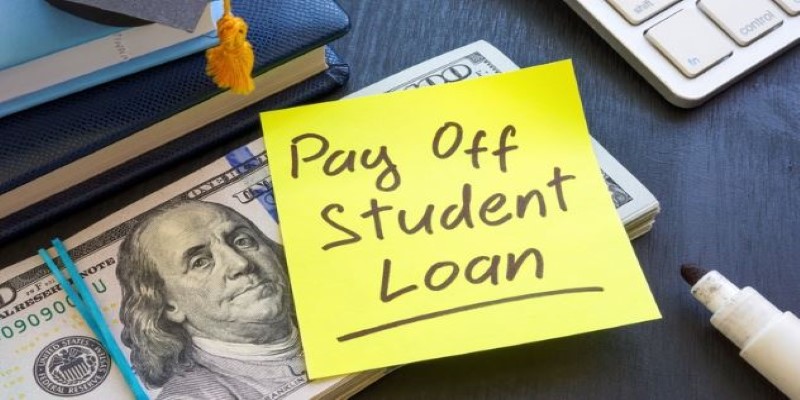
Once the decision is made, the next step is choosing the right credit card. Cards with the longest zero-interest promotional periods provide the biggest advantage, especially if they come with low transfer fees. Suppose a borrower moves $10,000 of student loan debt onto a card with a three percent transfer fee and an 18-month zero-interest window. That’s a $300 fee upfront, but if the borrower pays $560 a month, the debt is gone before the promotional rate ends, with no interest at all. In contrast, the same debt left under a loan at six percent would accumulate roughly $900 in interest during the same period. The savings are clear.
The catch is that this only works with a strict payment plan. The borrower must calculate how much to pay each month and stick to it without fail. Skipping payments, paying only the minimum, or allowing the promotional window to close before the balance is paid off flips the entire equation and leaves the borrower worse off than before.
Risks and Trade-Offs
No financial strategy is without downsides, and this one carries several. The biggest risk is overconfidence. Credit cards are revolving debt, and lenders design them to encourage ongoing balances. If a borrower treats the new card like a fresh line of credit instead of a temporary loan tool, they could rack up additional charges and compound the problem.
Another trade-off is the potential loss of federal protections. For instance, during economic downturns or emergencies, federal loans can offer pause options that don’t exist for credit card balances. Moving debt to a card eliminates those opportunities. That’s why this method works best for borrowers who are stable in their income and confident in their repayment ability.
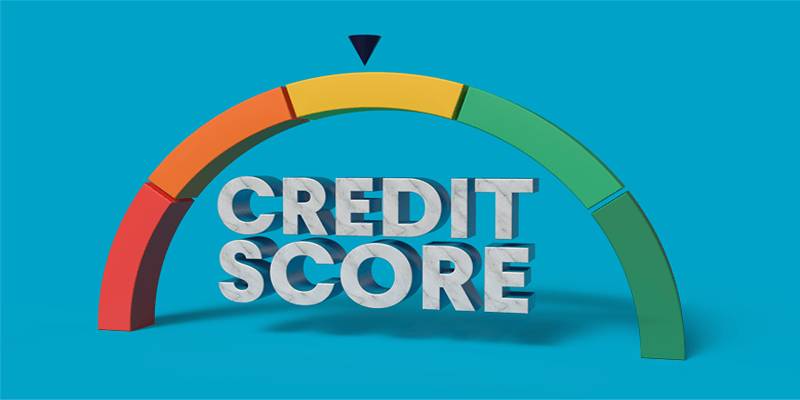
Credit scores also play a role. Applying for a new credit card requires a hard inquiry, which can temporarily lower a score. Carrying high balances relative to available credit can hurt it further. While the damage may be temporary if the debt is paid off quickly, it’s still a consideration for anyone planning major purchases, like a car or a home, in the near future.
Lastly, there's the temptation to repeat the process. Some borrowers may chase promotional offers from card to card, rolling balances over to avoid interest. While technically possible, it becomes harder with each application, and eventually, lenders may decline new cards. Over time, the fees can add up, eroding the original savings.
Making the Method Work
When approached with discipline, paying off student loans using low-interest credit cards can serve as a short-term bridge toward debt freedom. The key lies in preparation. Borrowers must know their numbers: how much they can afford each month, how long the promotional period lasts, and how much remains after fees. A written timeline helps keep the plan on track.

It’s also wise to separate the new credit card from everyday spending. If the card exists only to carry the transferred balance, the risk of mixing daily expenses into the repayment plan disappears. Automatic payments set at the calculated amount can remove the chance of missed deadlines.
For many, the method is best used in combination with other strategies. For example, consolidating a portion of loans onto a low-interest card while continuing regular payments on the rest can help reduce interest without taking on full risk. It can also work as a push during a period of strong cash flow, such as after a job promotion or during a stretch of reduced expenses.
Conclusion
Paying off student loans with low-interest credit cards can help reduce costs and shorten repayment, but it demands strict discipline. This method works best for borrowers who commit to paying on time and not carrying balances beyond promotional periods. While risky if mishandled, it can serve as a structured strategy rather than a shortcut. For those who plan carefully, it turns a long repayment process into a more manageable path. (70 words)