Getting your first credit card can feel a bit like stepping into unfamiliar territory. There’s a lot of talk about interest rates, credit scores, and annual fees—but not much clear, everyday advice. For beginners, credit cards can be both helpful and risky. When used wisely, a credit card can help build credit, protect purchases, and manage short-term costs. But if misused, it can lead to debt. The key is learning how they work before applying. Here's what beginners should know and some beginner-friendly credit cards to consider.
How Credit Cards Work: A Beginner's Breakdown
A credit card gives you a line of credit, which you can use for purchases and pay off later. Each month, you get a statement with what you owe, the minimum due, and any interest if you don’t pay in full.
Paying the full balance avoids interest charges. Paying only the minimum means interest builds on the unpaid part. That’s how many people fall into debt without realizing it.
Your payment history and balance usage are reported to credit bureaus. These reports shape your credit score, which lenders use when you apply for other credit. A higher score opens the door to better loan terms and more card offers.
Beginner cards often come with tools that track spending and help you understand your credit behavior. Some cards include free credit scores, automatic payment reminders, and educational resources. Focus on learning how credit works before worrying about rewards.
Credit Cards for Beginners
When starting out, the right card should match your habits and offer simple features. Below are options that make a good starting point.
Discover it® Student Cash Back
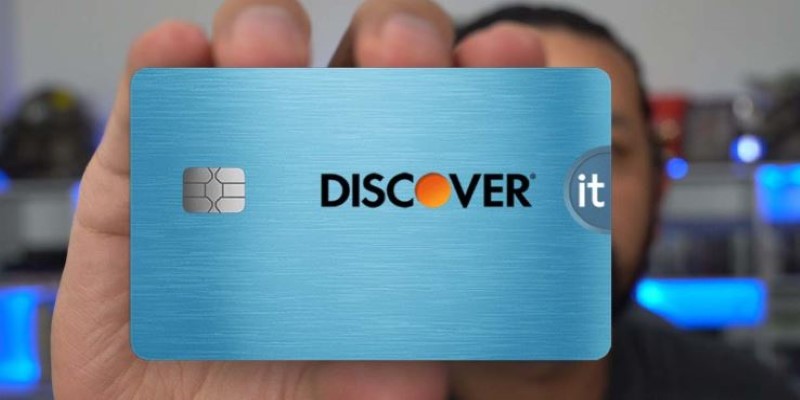
Designed for students with little or no credit history, this card doesn’t need a co-signer. You earn 5% cash back on rotating categories and 1% on all other purchases. Discover matches your first year’s cash back, which adds value without extra effort. There’s no annual fee, and you can track your credit score for free. If you miss your first payment, there’s no late fee—a helpful feature when you’re just getting used to managing a card.
Capital One Platinum Credit Card
This card keeps things basic. It’s made for people with average or limited credit and doesn’t offer rewards. Still, it’s a solid entry point. After six on-time payments, you may qualify for a credit limit increase. It has no annual fee and gives access to your credit score. If you’re looking for a simple tool to build credit without distractions, this is a good start. It’s a card you can move on from once your credit improves.
Chase Freedom Rise℠ Credit Card
Chase offers this card for people new to credit, especially those with a checking account at the bank. You earn 1.5% cash back on all purchases, and there’s no annual fee. If you’ve had a Chase checking account for at least 30 days, your approval chances are better. It includes credit monitoring and education tools. This is a good choice if you’re already banking with Chase and want to keep your finances under one roof.
Petal® 2 “Cash Back, No Fees” Visa® Credit Card
Petal 2 takes a different approach by using factors beyond your credit score to decide eligibility. That’s useful if you’re new to credit or don’t have a history yet. You start with 1% cash back and can earn up to 1.5% after 12 months of on-time payments. Some partner merchants offer up to 10% back. There’s no annual fee, no late fees, and no foreign transaction fees. The app makes it easy to manage spending and monitor progress.
Secured Chime Credit Builder Visa® Credit Card
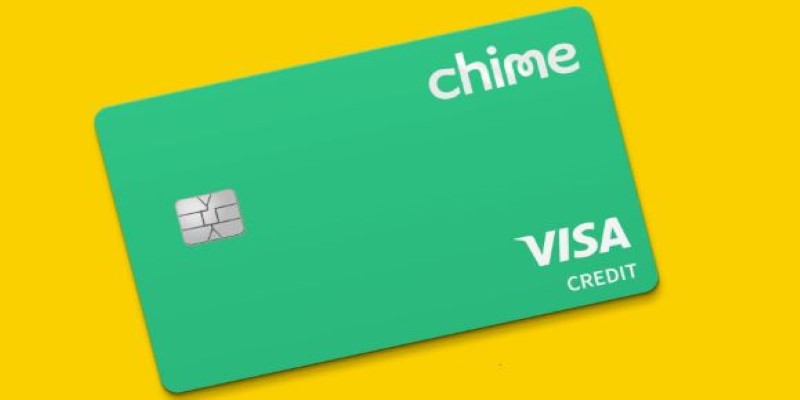
This secured card doesn’t involve a credit check, making it an easy option to qualify for. You set your spending limit by transferring money from your Chime account. Because you’re not borrowing in the traditional sense, there’s no interest—and it reports to major credit bureaus. It’s designed to help you build credit safely. There’s also no annual fee. This card is helpful if you want more control over your credit habits and spending.
OpenSky® Secured Visa® Credit Card
OpenSky is a solid pick for people without a credit history. It's a secured card that requires a refundable deposit, starting at $200. You don't need a credit check to apply. While it does charge a small annual fee, it's more accessible than many other options. It reports to all major credit bureaus and gives access to a mobile app for account tracking. This is a quiet and reliable way to start building your credit file.
How to Use a Credit Card Responsibly?
Start with one clear rule: only spend what you can afford to pay off each month. That keeps you from owing interest and helps you build a strong payment history.
Set up alerts for due dates or enable auto-pay for the full amount. Missing payments, even once, can lower your score and add fees. Try to use less than 30% of your credit limit. If your limit is $500, try to keep the balance under $150.
Use your card for predictable, low-risk expenses—like groceries or streaming subscriptions—and pay them off quickly. The idea is to show lenders you can handle credit responsibly.
In time, you’ll qualify for better cards. But for now, keeping it simple and consistent is what matters. Good habits early on make a big difference later.
Conclusion
Choosing your first credit card isn’t about finding the flashiest rewards or the biggest limit. It’s about starting smart and keeping things under control. Whether it’s a student card, a secured option, or a cash-back card for beginners, the goal is to build a positive credit history without falling into bad habits. The cards listed offer different paths depending on your starting point. What matters most is how you use them—spend within your means, pay on time, and stay focused. A beginner credit card should work for you, not against you.