Morocco is an extremely beautiful land of contrasts: silver mountains with snow on them, sandy deserts, large cities, and relaxing beaches. The best time to visit Morocco would depend on what you want to get: nice weather, lots of unusual cultural experiences, or the best tourist sites to see. Like the medinas in Marrakech or the High Atlas, Morocco is unforgettable whenever you visit it. This is a guide to learn the best times to travel to Morocco, depending on the weather, regions, and cultural events, to make a smart plan. Seasonal festivals, winter markets, in-season flowers—we have all the info you need to travel with a purpose.
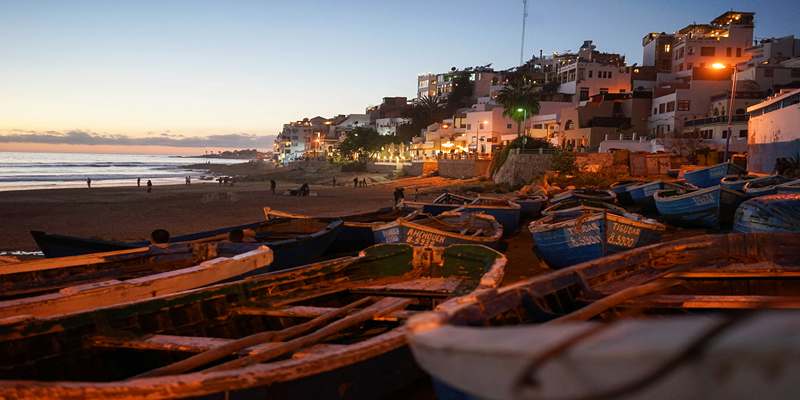
Understanding Morocco’s Seasons
Spring – A Peak Season for Travel
The period of March to May is best known as spring, which produces the best time to visit Morocco. There are even milder temperatures, everything in nature is blossoming, and the cities are rejuvenated. It is a perfect season to study mountains, such as hiking in the Atlas, or explore deserts that are not very hot. Scores of people start coming, particularly during Easter; hence, advance reservation of rooms. To amateurs of photography, this period provides spectacular scenery that can be used to take pictures. Spring is a golden mean between pleasant weather conditions and diverse local experiences in Morocco, regardless of whether you prefer a cultural exploration or outdoor activities, due to its appropriate weather as well as the rich variety of local experiences Morocco has to offer.
Summer – Hot but Still Adventurous
The months of June, July, and August are very hot in Morocco, especially in the inland cities such as Marrakech and Fes: the temperature reaches more than 40°C (104°F). Nevertheless, it remains a possible season to spend travelling with proper planning. Coasts like Essaouira and Casablanca provide respite of cool breezes, which suited the beachgoers. Also, mountainous regions are available and are cooler. When traveling in summer, make sure to go out in the morning and keep yourself hydrated. Summer may be hot, but it is also more dynamic culturally and relaxing as well, particularly at less touristy places. It would be good for warm climate people.
Winter – Mild in the South, Snowy in the Atlas
The winter, December to February, is mild in the south and along the coast, yet during this period the Atlas Mountains would experience snow. The southern cities, such as Agadir and Ouarzazate, are still comfortable and not crowded, whereas people who love to travel on snow can make use of the slopes of Ifrane and Oukaimeden. In the north, it is cooler, but big cities are still vibrant. The winter season is also good for the cheap travelers because the tourists are limited and the rates are also low. It is a different time to visit Morocco in another light, whether having snow-covered mountains or warming up at a riad courtyard. Layering clothing is enough, particularly when traveling out in the land and at high altitudes.
Cultural Highlights Throughout the Year
Best Morocco Trip During Festivals
Morocco’s cultural calendar is filled with vibrant festivals, making timing a trip around these events a rewarding experience. Ramadan, which shifts yearly, offers a unique cultural perspective, especially in the evenings when families gather for Iftar. Eid celebrations and local moussems (tribal festivals) also bring Morocco’s traditions to life. Attending a festival gives insight into the country’s spirit, music, and hospitality. Plan ahead, as accommodations during major events tend to fill up quickly in host cities.
Seasonal Markets and Craft Traditions
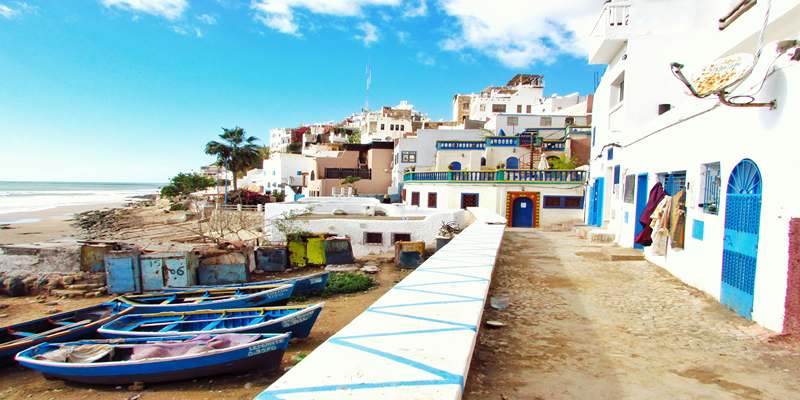
Every season in Morocco brings its own flavors and crafts. Spring and autumn are ideal for exploring souks bursting with seasonal produce, textiles, and handmade goods. The changing seasons also influence the items sold, such as carpets in winter or pottery in spring. Visiting Morocco during these transitions means discovering regional specialties at their best. Artisans across the country showcase their work in open-air markets, especially in cities like Marrakech and Fes. These markets are not only shopping destinations but cultural experiences. Travelers seeking authenticity will enjoy timing their visits around these rich traditions of craft and trade.
Visiting Holy Sites and Historical Cities
Morocco is home to numerous holy sites, such as Moulay Idriss Zerhoun and the Koutoubia Mosque. While these sites welcome visitors year-round, certain times offer more meaningful visits. Spring and autumn provide pleasant temperatures to explore without fatigue. During religious holidays like Mawlid (the Prophet’s birthday), cities become spiritual hubs filled with prayer and celebration. Historic medinas in cities like Fes and Meknes are best explored during cooler seasons when crowds are manageable and navigation is easier. For those on a spiritual or historical journey, planning around religious or historical milestones will enhance the travel experience significantly.
Weather Tips for Sightseeing and Outdoor Travel
Morocco Travel Weather by Region
Morocco's geography creates varying climates. The north has a Mediterranean climate, while the interior experiences continental conditions, and the south remains dry and desert-like. Spring and autumn are universally favorable across regions, especially for cultural tours. Winter can be rainy in the north and snowy in the Atlas, while summer is hot in inland areas. Coastal destinations remain comfortable year-round. Understanding Morocco’s regional weather patterns helps travelers plan activities accordingly.
Ideal Conditions for Desert Exploration
The Moroccan Sahara is best visited from October to April, when the temperatures are cooler. During this period, desert nights can be chilly but the days remain pleasant, making camel treks, sandboarding, and stargazing far more enjoyable. Avoid July and August for desert trips, as extreme heat can make travel uncomfortable and even risky. Sunset and sunrise are particularly magical in the desert, so plan your tours accordingly. Erg Chebbi and Erg Chigaga are top desert destinations accessible from Merzouga and M’Hamid. Booking with reputable guides ensures safety and adds depth to your desert journey.
Conclusion
Choosing the best time to visit Morocco depends on your travel goals—whether you're chasing perfect weather, vibrant culture, or peaceful landscapes. From spring blooms in the Atlas Mountains to autumn festivals in Fes, each season brings something special. By aligning your trip with regional weather and cultural highlights, you’ll experience the country at its finest. Whether you're a first-time visitor or a returning traveler, Morocco’s charm never fades. Use this timing guide to explore wisely and fully immerse yourself in the sights, sounds, and traditions that make Morocco a top destination year-round.